MSc in Information Science, Urban Tech concentration
GPA: 4.0
Relevant Coursework (Highlights)
Design Across Disciplines
The course was taught by Jenny Sabin.
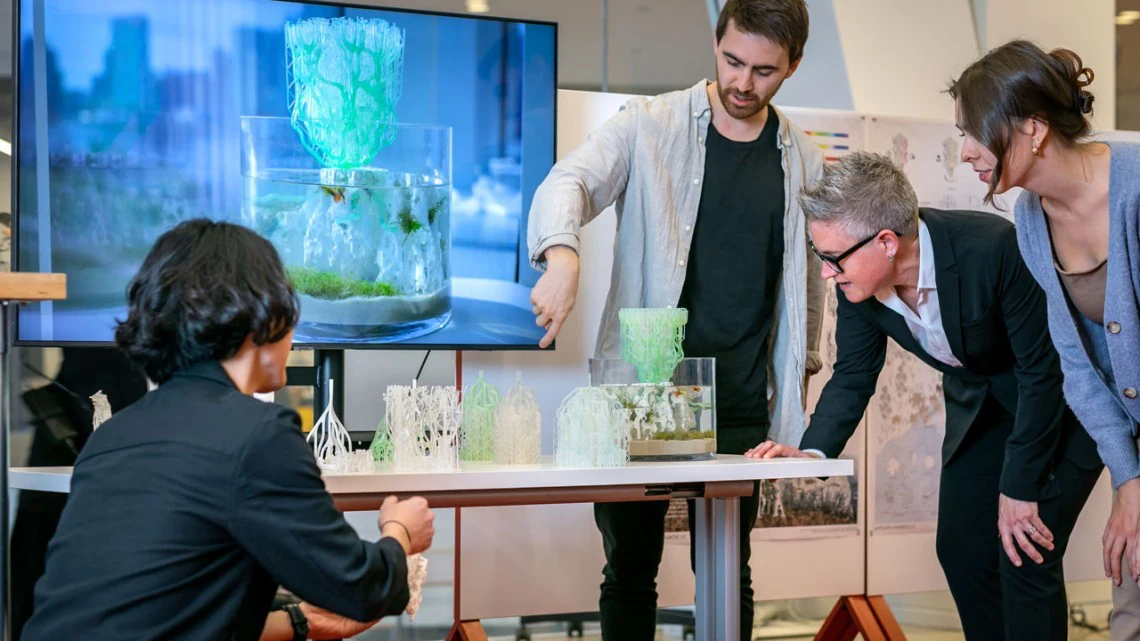
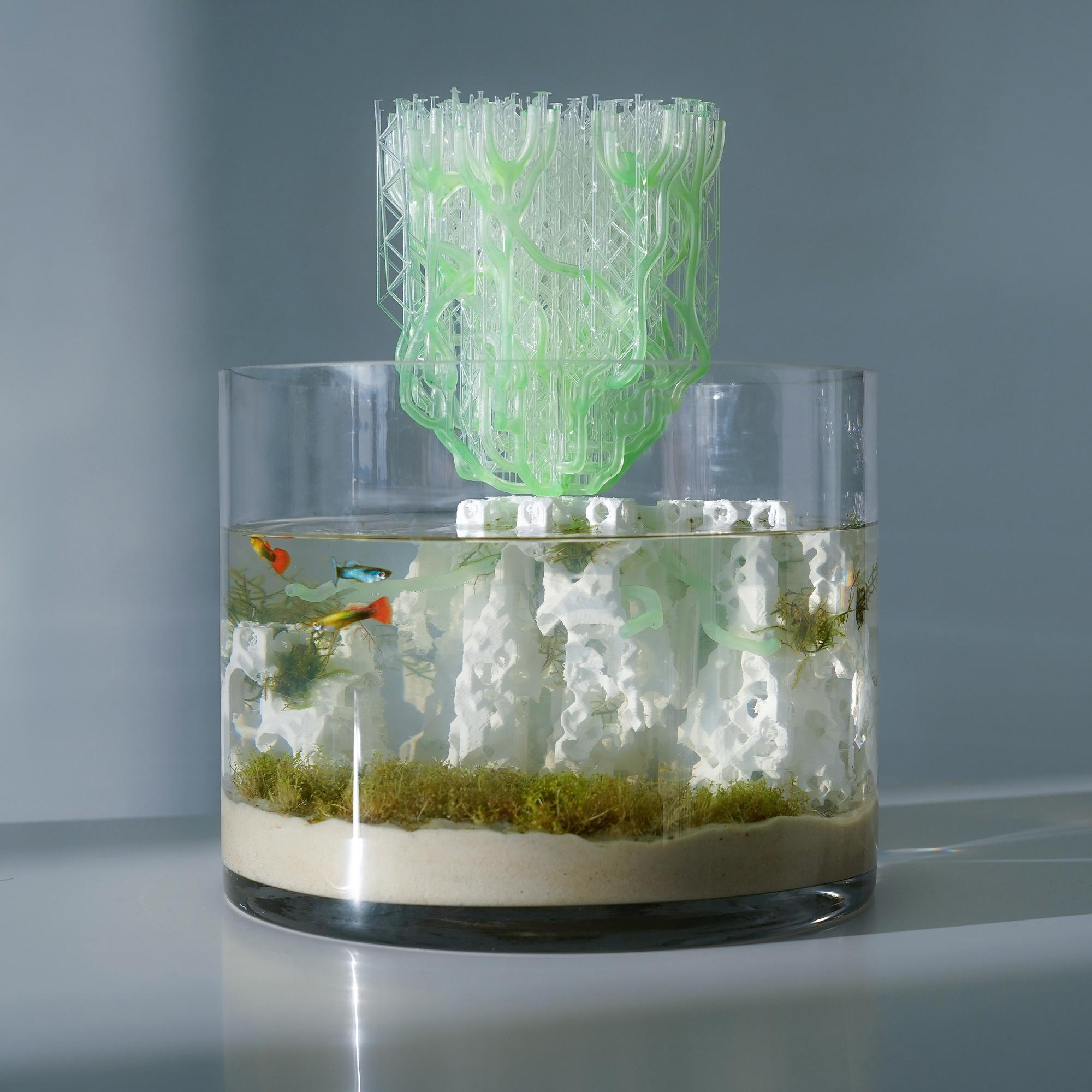
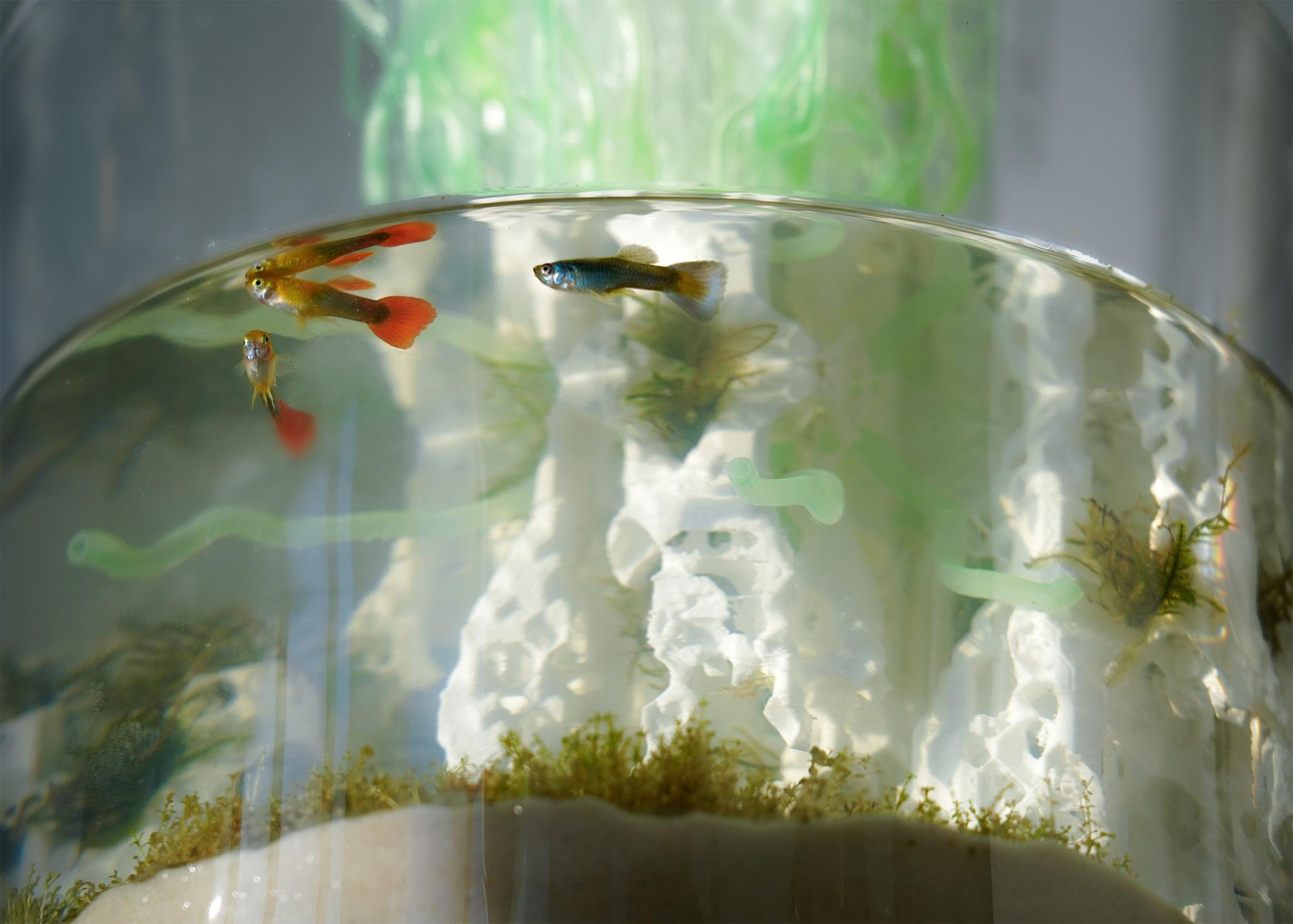
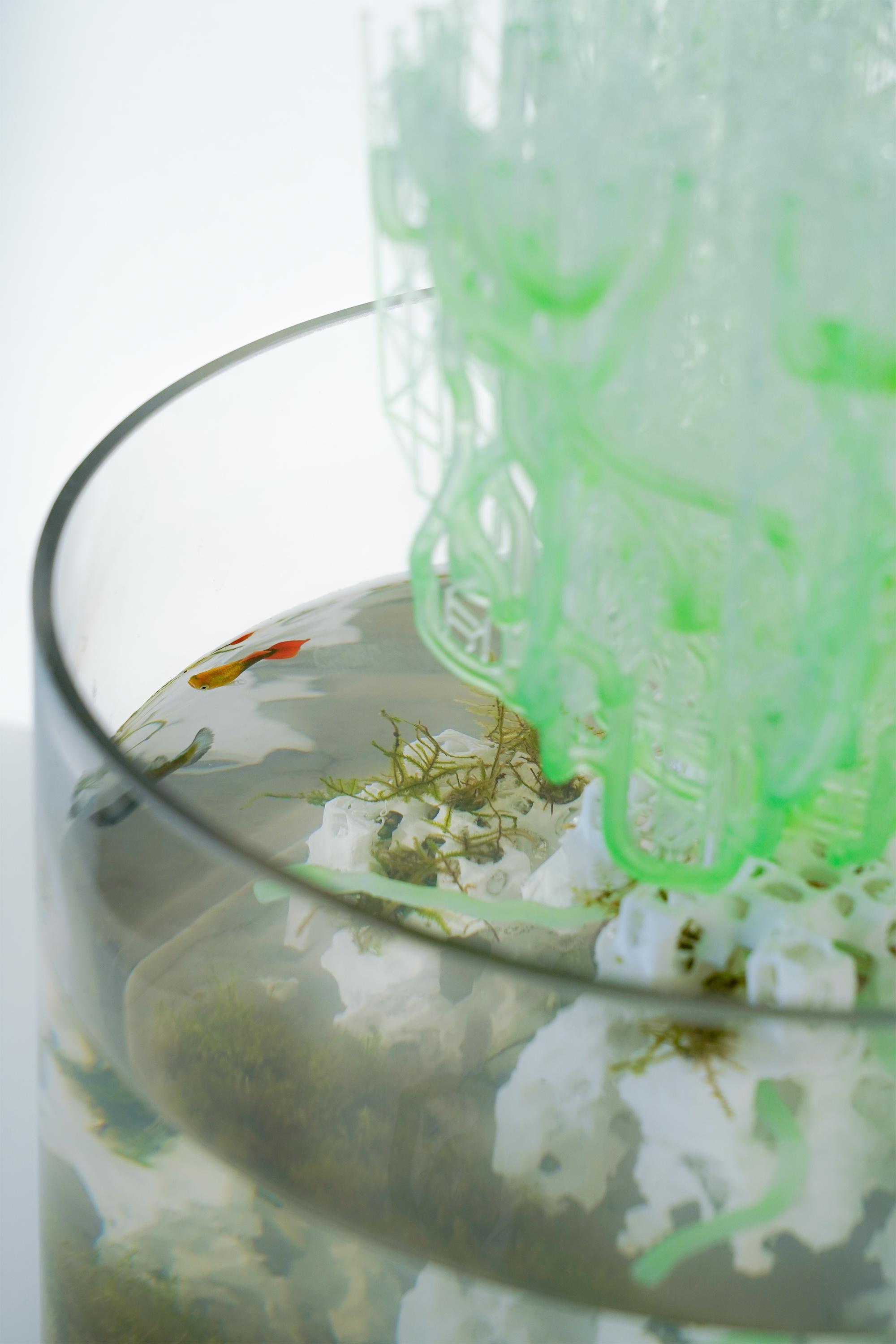
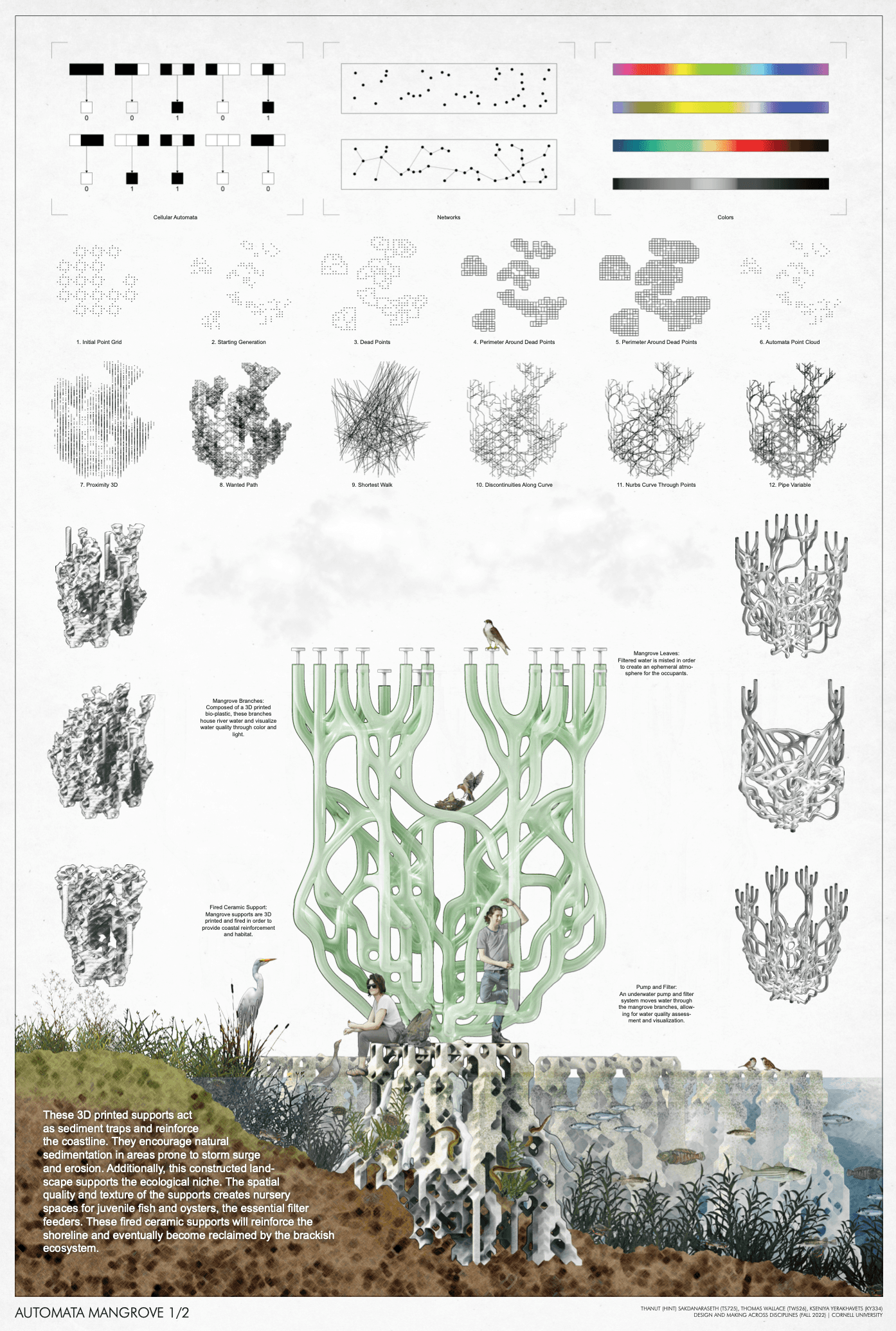
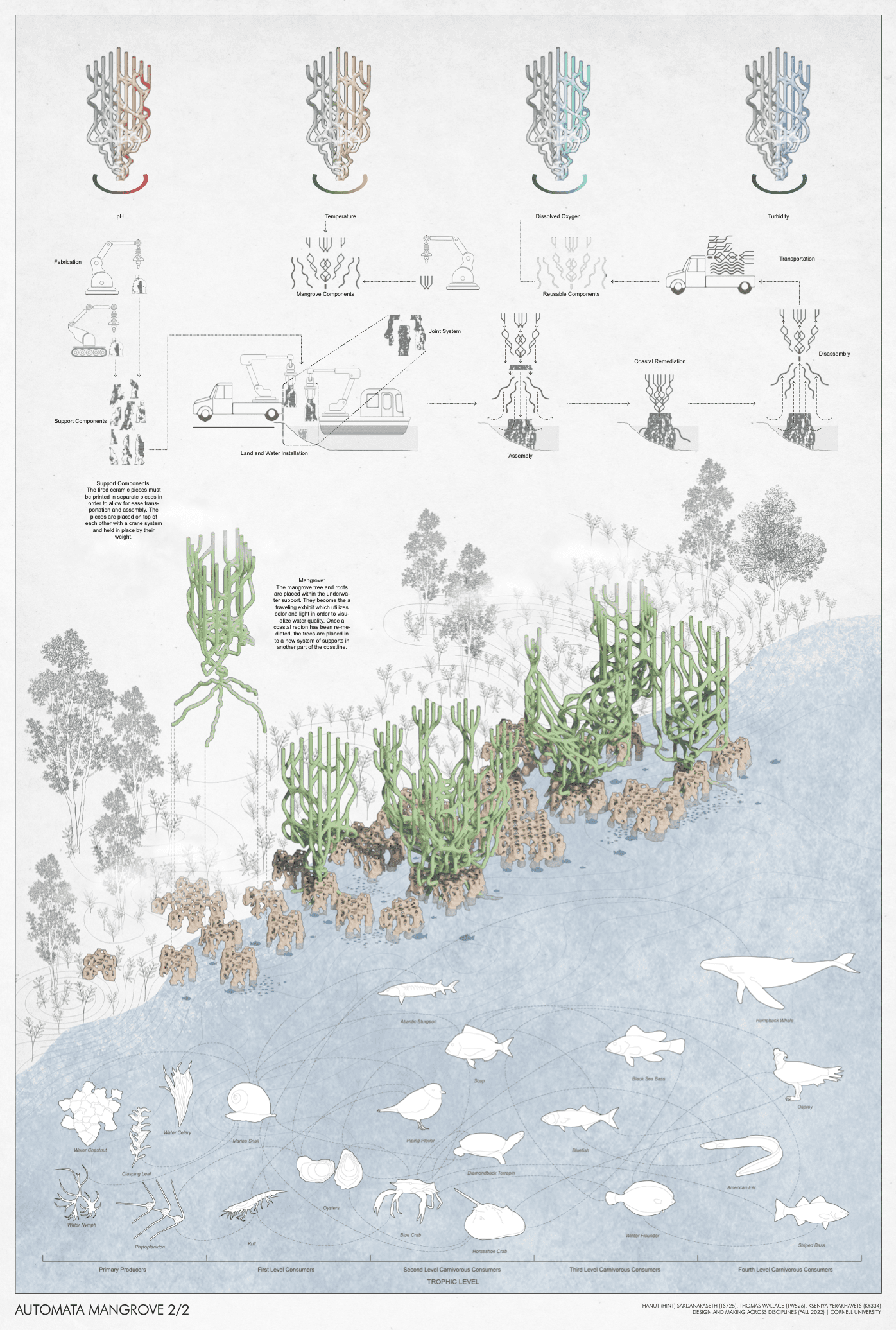
Our team built Cellular Automata, a traveling installation that visualized water quality and left shore-stabilizing artifacts in its wake.
We used Rhino and Grasshopper to create fully parametric designs: the top and bottom structures regenerated uniquely each time the script ran. The project combined design experimentation with technical execution.
Our work was featured in the Cornell Chronicle and published in Association v13.
Urban Data
The course was taught by Emma Pierson.
For our final project, we built a model to compare indicators of gentrification across New York City ZIP codes between 2011 and 2019. Using census data — including median rent, education level, and age — we developed a composite measure and mapped how neighborhoods changed over time.
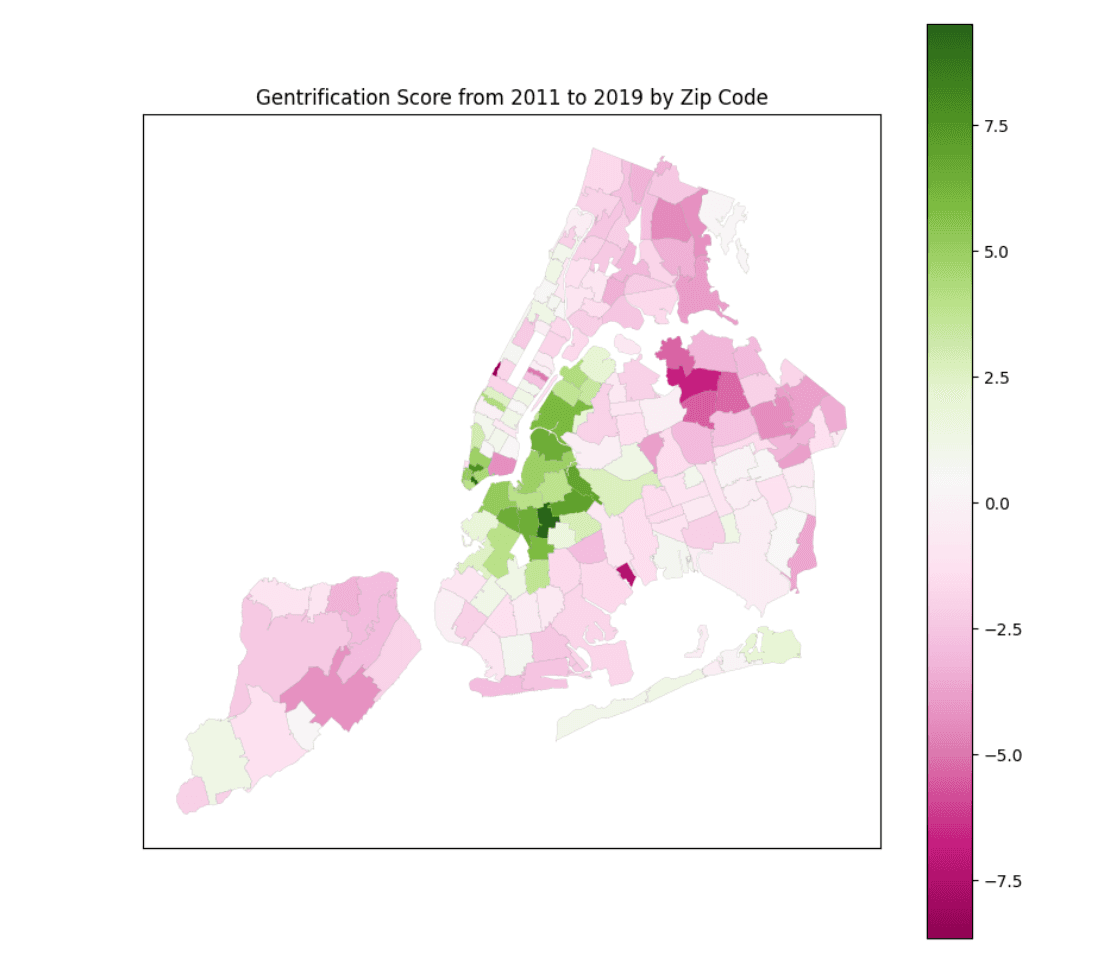
The model identified the greatest changes in northwestern Brooklyn — including Williamsburg, Greenpoint, and Bushwick — and the Financial District. Flushing and parts of southern and southeastern Brooklyn changed less over the same period.
Developing and Designing Interactive Devices
The course was taught by Wendy Ju and explored the human-centered and technical foundations of interactive devices. The code and documentation for these projects are available on GitHub.
Stanley Walker and I built an AI-powered international hotline that generated a fictional caller from a random location and supported a live voice conversation.
- Whisper transcribed microphone audio.
- The ChatGPT API generated the caller’s identity and conversation.
- A location-based prompt shaped the caller’s context.
- Google Text-to-Speech produced the voice response.
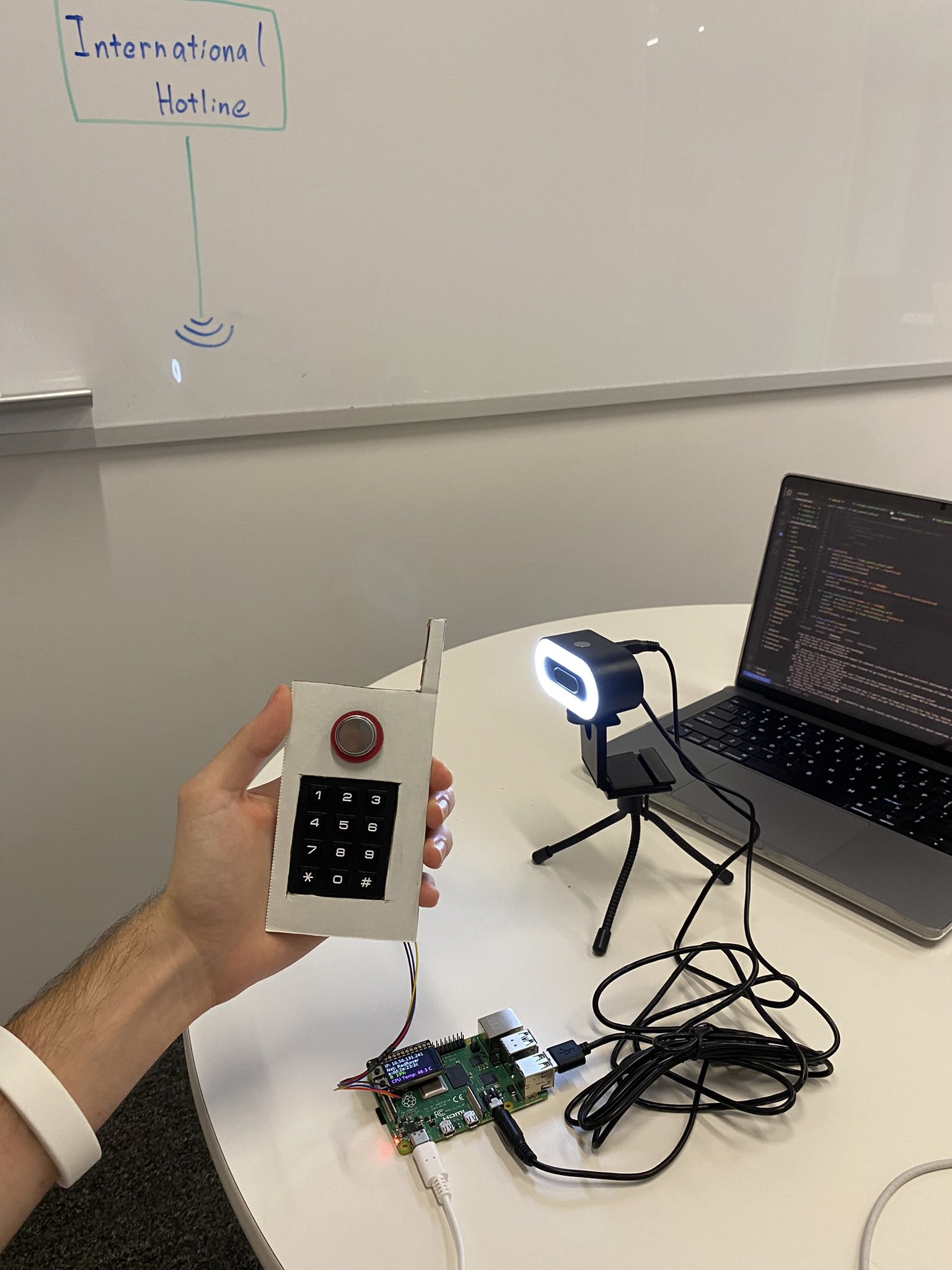
We continued developing the prototype with ElevenLabs, a proximity sensor with responsive lights, and a 3D-printed housing.
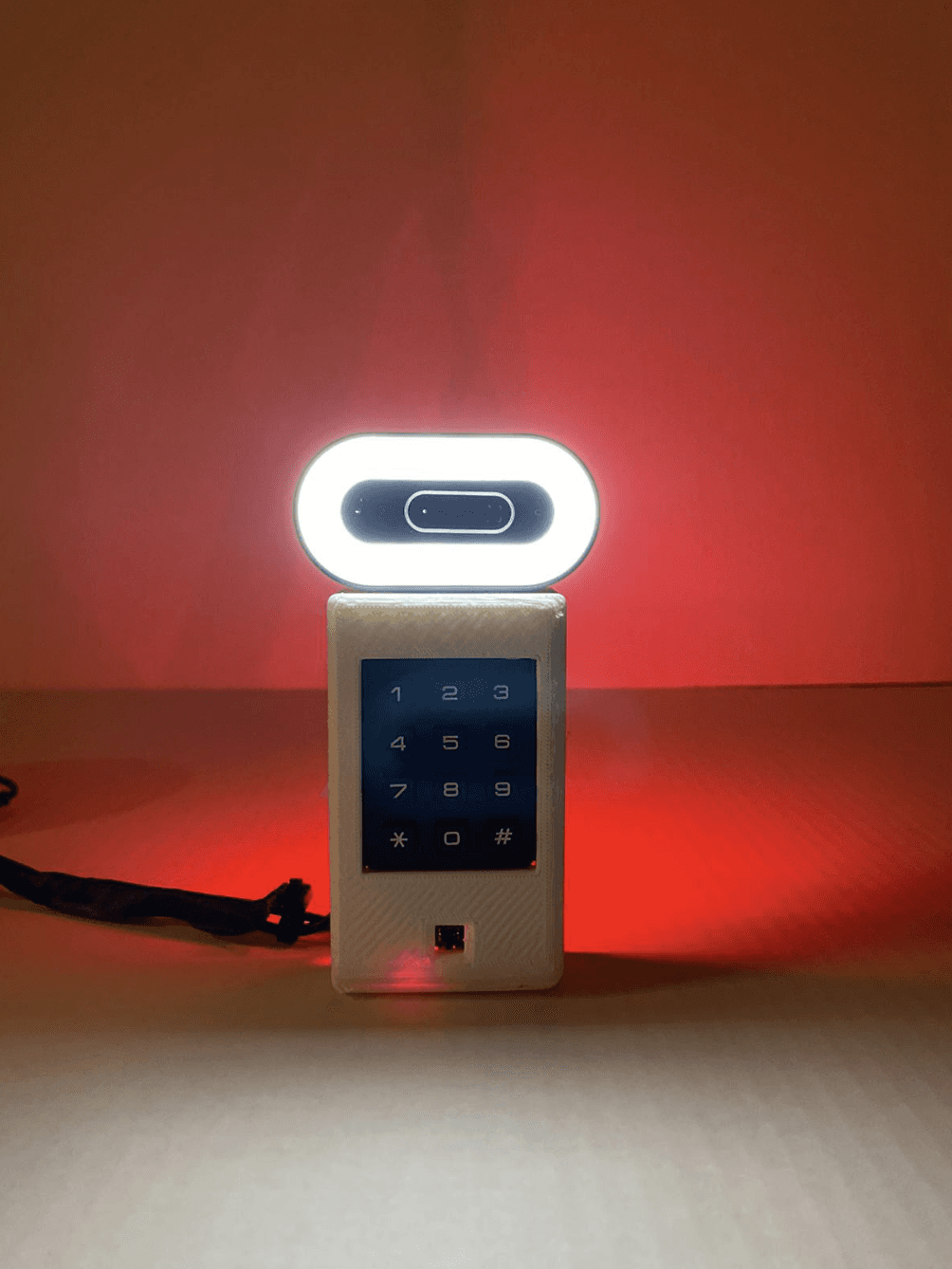
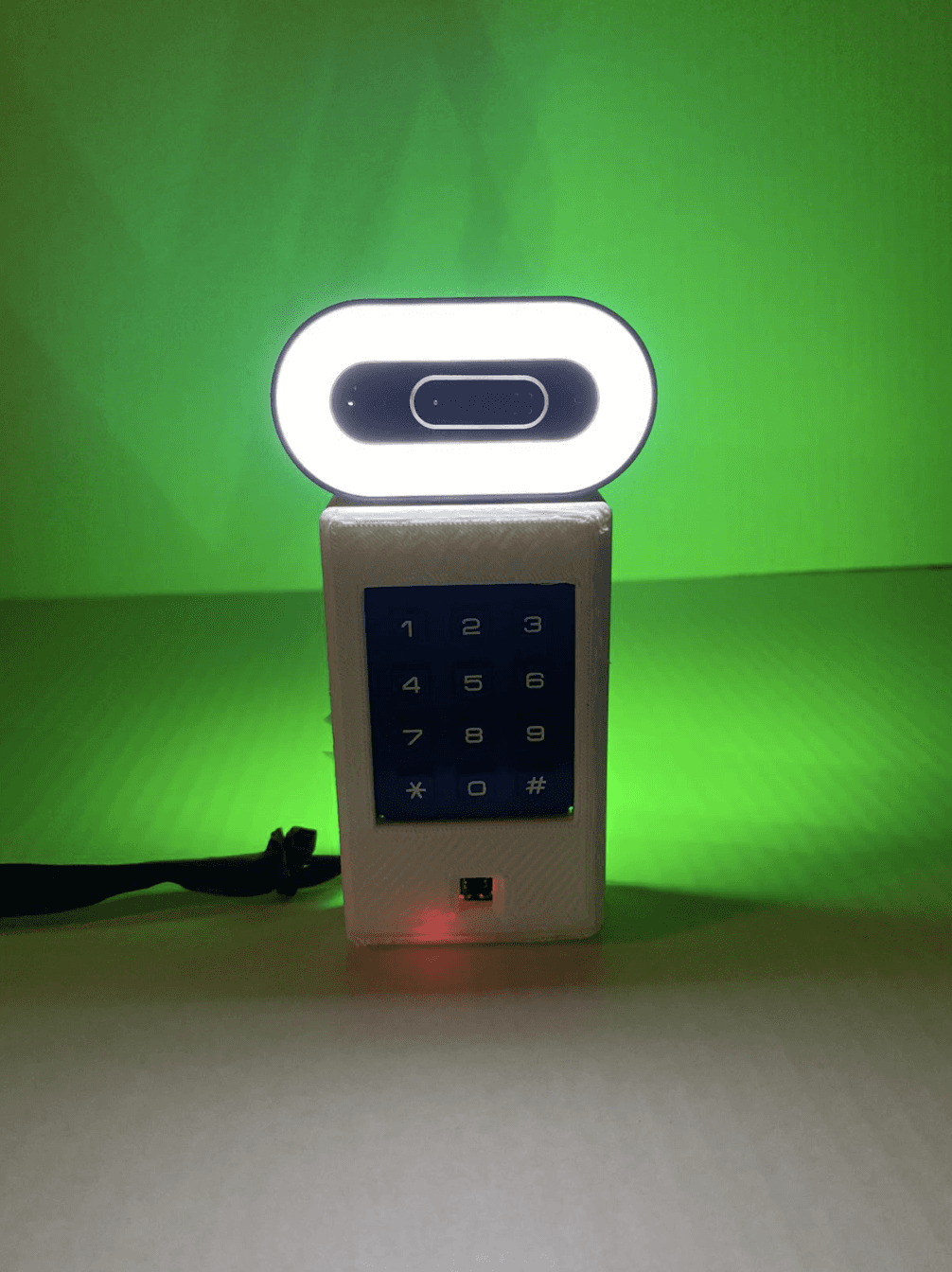
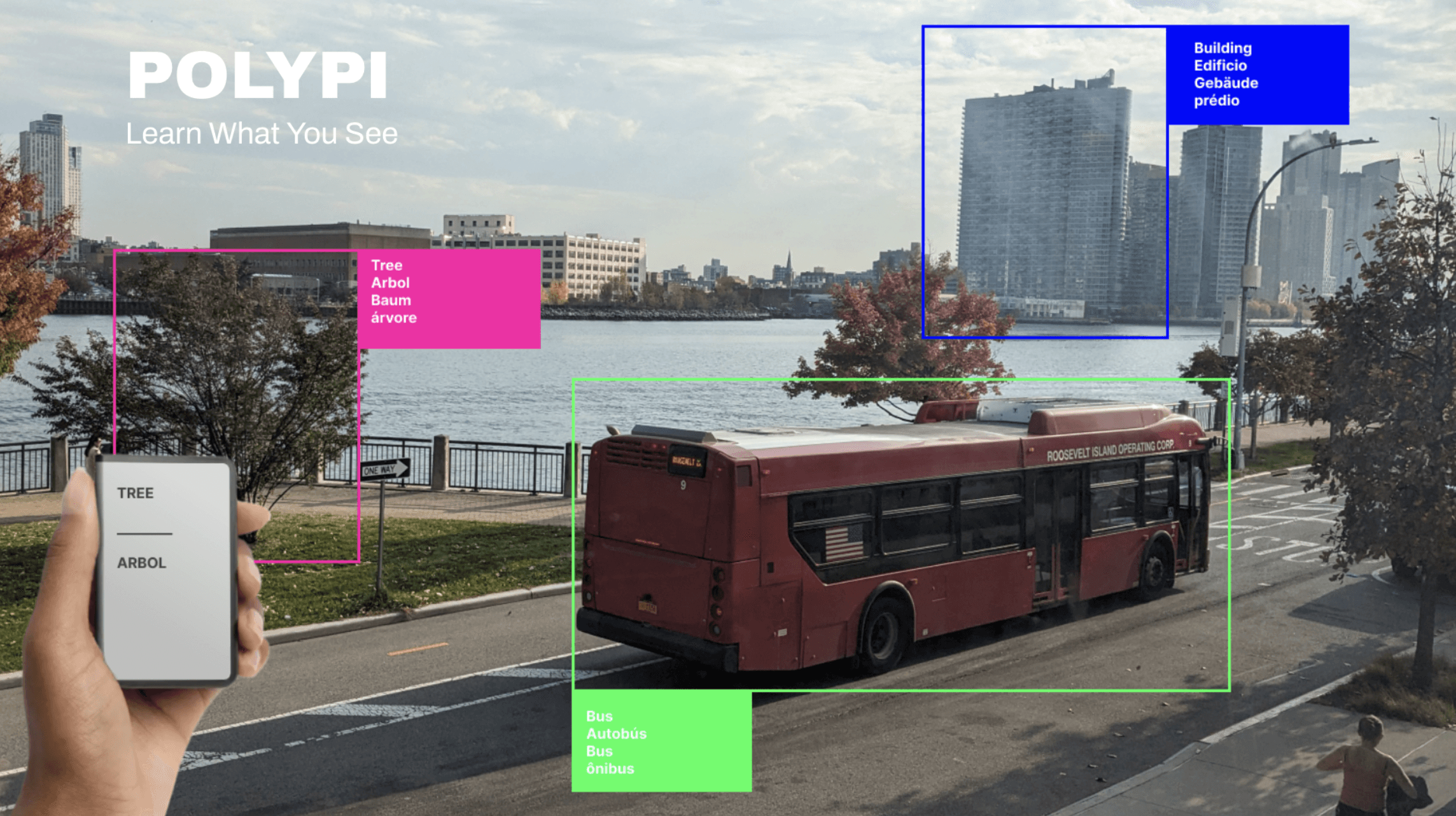
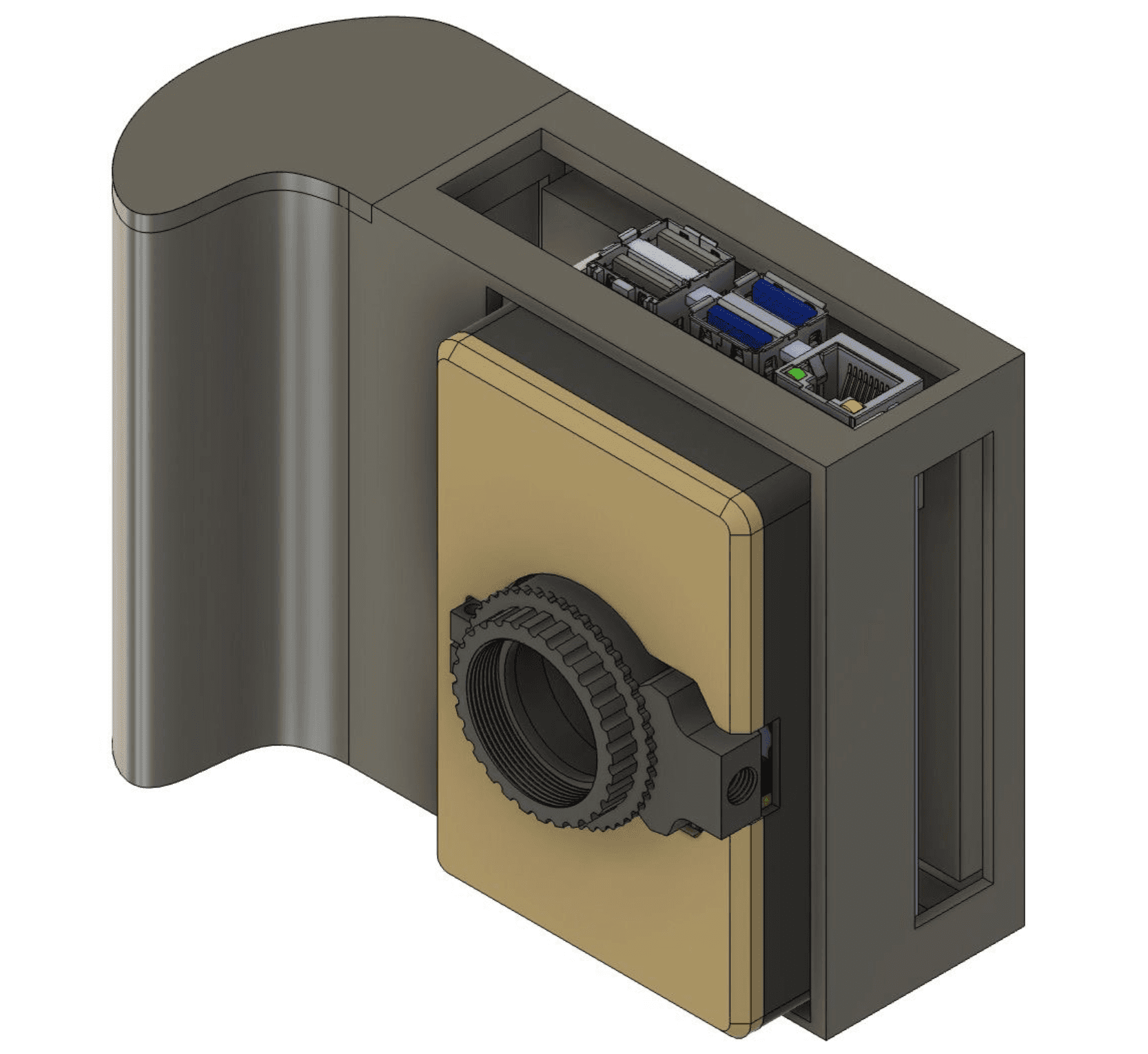
For our final project, we built PolyPi: a Raspberry Pi camera that recognized an object and translated its name into a language selected by voice.
The camera and controls were contained in a custom housing:
PolyPi in action:
Product Studio
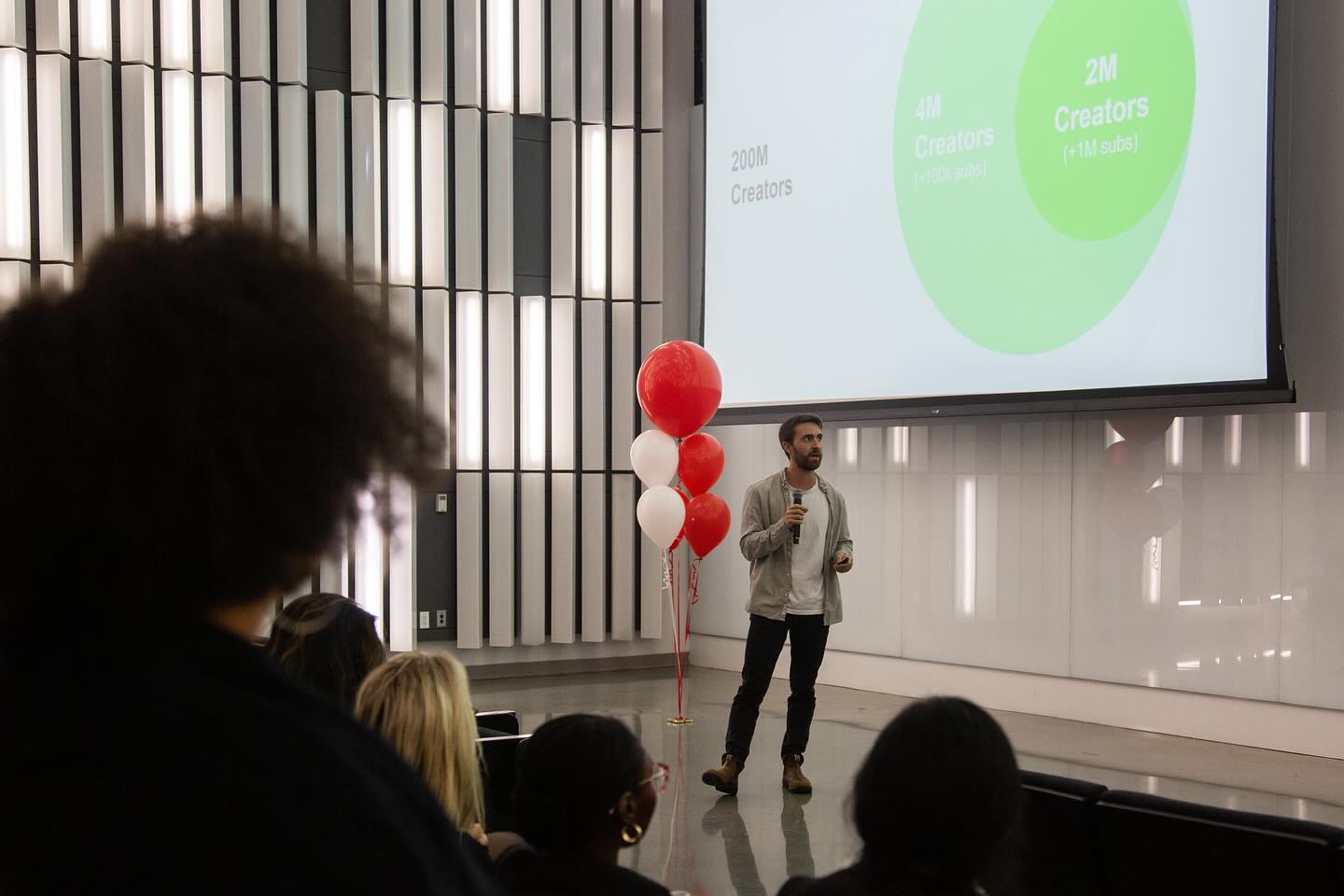
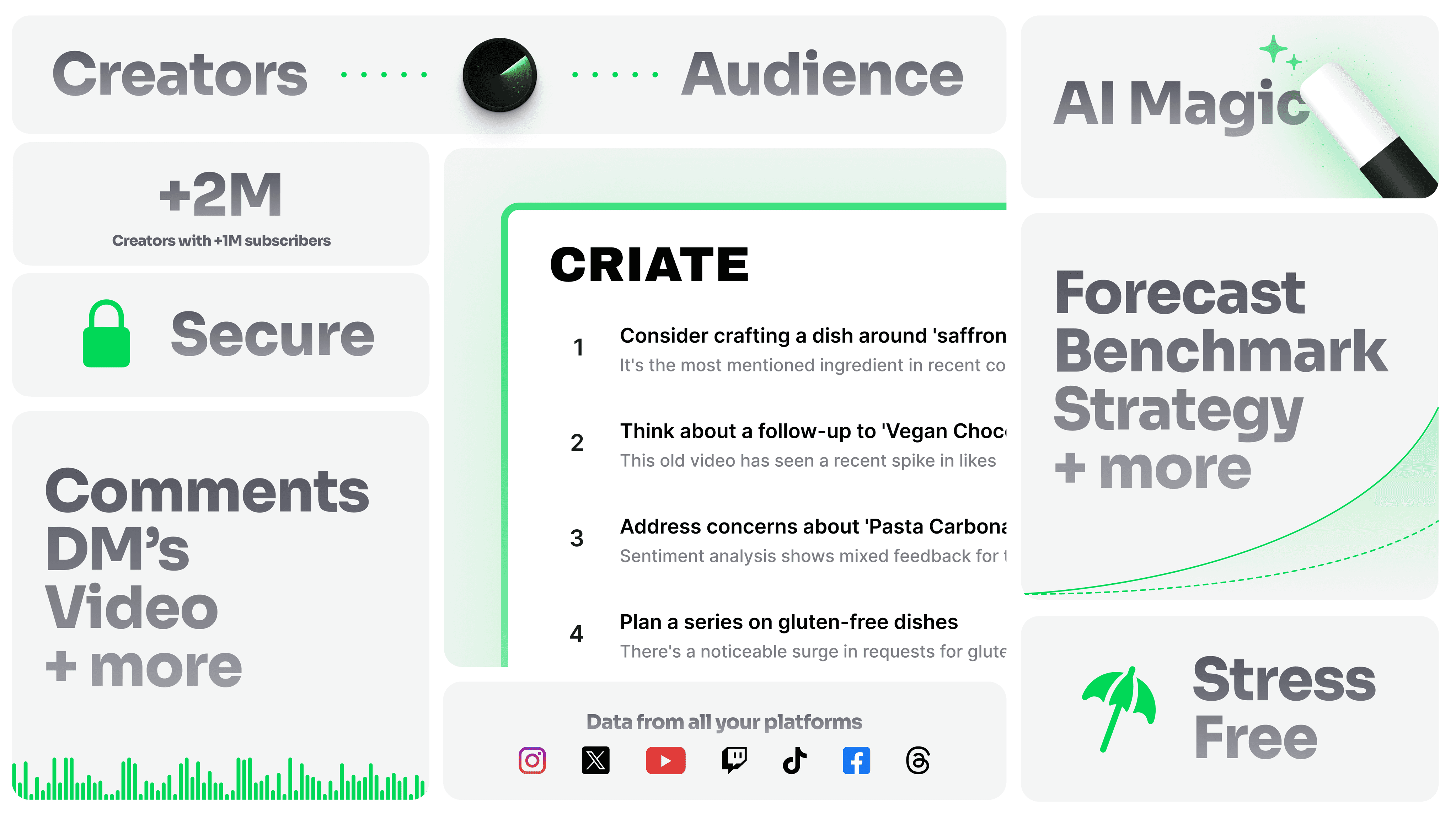
For Product Studio, our team created Criate in response to a Patreon challenge about helping creators earn sustainable income from their work. We were finalists in the 2024 Open Studio; the project was featured by Cornell Tech.